Spots on fixtures, recurring scale, and frustrating cleaning can prompt a search for water softening. When considering water softening in Anaheim, CA, identify the water concern and confirm whether hardness is the issue. A softener is designed for a particular job; it is not a universal answer to every water-quality problem.
Confirm the problem before choosing equipment
Describe where you notice deposits and whether the concern is appearance, cleaning, appliance maintenance, taste, or something else. Ask for an appropriate hardness measurement and an explanation of the results. Avoid choosing a system solely from a neighbor’s experience or a citywide assumption about your household’s water.
Bring those observations to a water softener consultation. The conversation should establish what the proposed equipment will address and which concerns need a different assessment.
Understand the potential benefits and tradeoffs
Softening reduces hardness minerals associated with scale and deposits. It can make some cleaning tasks easier and reduce mineral buildup affecting fixtures and appliances. The University of Minnesota’s residential softening guidance also explains the importance of appropriate sizing and operation, including the salt and water used during regeneration.
A conventional softener does not automatically provide comprehensive drinking-water treatment. Ask about any separate concern rather than assuming that softened water solves it. If a household member has a specific dietary or health-related requirement, discuss that requirement with the appropriate qualified professional before choosing a treatment arrangement.
Benefits to Evaluate in Everyday Use
- Less mineral scale: Reducing hardness can limit new mineral deposits on fixtures and in equipment that uses hot water.
- Easier cleaning: Your household may notice less hard-water residue on surfaces and glassware.
- A more deliberate maintenance plan: Measured hardness helps you discuss water treatment alongside appliance care.
Balance those potential benefits with ongoing costs. Salt-based systems use salt and water during regeneration and discharge brine. Ask about efficient sizing, regeneration settings, and any local discharge requirements. The EPA’s water-softener guidance explains why these tradeoffs matter.
Ask how the system would fit your home
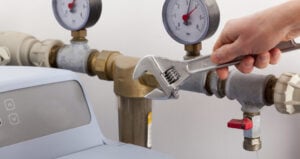
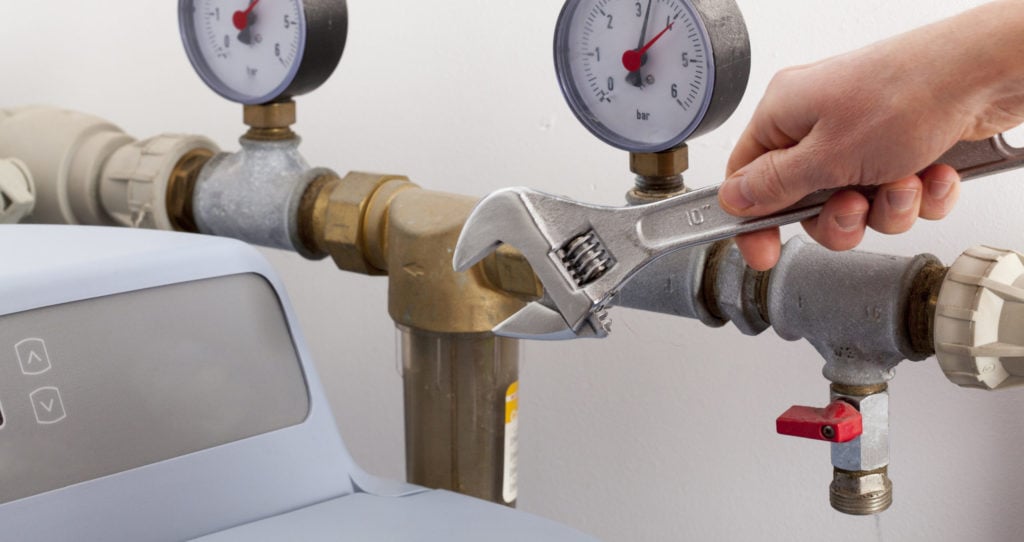
The installation assessment should consider your household’s water use, the measured hardness, equipment location, access, and necessary connections. Ask which parts of the home would receive softened water and what the installation scope includes.
Discuss maintenance access as well as appearance. Equipment that is difficult to reach can make routine care unnecessarily inconvenient. Request clear instructions for the selected system rather than relying on a generic maintenance schedule.
Include the water heater in the discussion
Tell the installer about your existing water heater and any manufacturer maintenance requirements. If you are planning tankless water heater installation, ask how water quality and the equipment’s service instructions fit together. Do not treat a softener as a substitute for required water-heater maintenance.
Compare a complete written proposal
- What measurement supports the recommendation?
- What problem will the equipment address?
- What installation work and connections are included?
- What ongoing supplies and service are required?
- What limitations and warranty conditions should I understand?
There is no need to attach a guaranteed savings figure to a useful assessment. The practical value depends on the actual water conditions, the household’s priorities, and the chosen system. Contact Home Comfort to discuss water softening options for your Anaheim home and receive a clear explanation of the next steps.